
Introduction
Why do some businesses attract customers online and turn them into paying clients, while others struggle to make sales despite offering great products or services? The answer may be their website. In today’s digital world, having a website is no longer enough. Your website needs to attract the right audience, build trust, and encourage visitors to take action.
Working with a website design company for business growth can help your business achieve these goals. A professionally designed website gives potential customers a place to learn about your business, explore your products or services, and understand why they should choose you over your competitors.
Whether you run a small business, a growing company, or an established brand, the right website can help you reach more people, generate quality leads, and increase sales. But how exactly does website design contribute to business growth? Let’s explore.
1. How Does a Professional Website Help a Business Grow?
A professional website serves as your business’s online home. It allows potential customers to discover your brand, understand what you offer, and contact you without needing to visit your physical office.
Unlike social media pages, a website gives you greater control over how your business is presented online. You can organise your services, showcase customer testimonials, publish helpful articles, and provide clear information about your products.
For example, a fashion brand can use its website to display collections and receive orders, while a consulting company can use its website to showcase expertise and generate enquiries.
A professional website also helps establish credibility. When customers find a well-organised, informative website, they have more reasons to take your business seriously.
2. Can a Business Website Really Increase Sales?
Yes, a well-designed website can support sales growth by making it easier for customers to understand your offerings and make purchasing decisions.
Imagine a potential customer searching Google for a service your business provides. They find your website, read about your services, review your previous work, and see an easy way to contact you. This creates a straightforward path from discovering your business to making an enquiry.
Your website can increase sales through several features:
-
Clear calls to action: Buttons such as “Get a Quote,” “Shop Now,” or “Book a Consultation” guide visitors towards the next step.
-
Simple navigation: Visitors can find products, services, prices, and contact information without confusion.
-
Customer testimonials: Positive feedback helps build trust with potential buyers.
-
Mobile-friendly design: Customers can browse your website comfortably on their phones.
-
Easy contact options: Contact forms, email links, and WhatsApp buttons make it easier for interested customers to reach you.
A website does not guarantee sales on its own. However, when its design supports your business goals, it can become a valuable tool for converting interested visitors into customers.
3. Why Is Your Business Not Getting Customers Online?
If your business has a website but receives few enquiries or sales, the problem may not be your products or services alone. Your website could be making it difficult for customers to find you or understand what you offer.
Here are some common reasons a business website may not be performing well.
Poor Website Design
A cluttered layout, inconsistent colours, confusing menus, or outdated appearance can make visitors lose confidence in your business.
A professional design creates a more organised experience and helps visitors focus on the information that matters.
Slow Website Loading Speed
People expect websites to load quickly. If your pages take too long to open, visitors may leave before seeing your products or services.
Optimised images, efficient website code, and reliable hosting can help improve loading speed.
No Clear Call to Action
If visitors cannot tell what to do next, they may leave without contacting you or making a purchase.
Every important page should guide visitors towards a relevant action, whether that means requesting a quotation, booking an appointment, or buying a product.
Poor Google Visibility
Your website may look attractive but still receive little traffic if potential customers cannot find it through search engines.
Search engine optimisation (SEO) helps improve your website’s visibility for relevant searches. This includes using appropriate keywords, creating useful content, improving page structure, and ensuring that search engines can access your pages.
Addressing these issues can help your website become more useful to customers and more effective at supporting business growth.
4. How Does Website Design Improve Google Rankings?
Many business owners want their websites to appear on the first page of Google. Although good design alone cannot guarantee high rankings, it creates a strong foundation for SEO.
A search-friendly website makes it easier for visitors and search engines to understand your content.
Important factors include:
Mobile-friendly design: Your website should work properly on smartphones, tablets, and computers.
Fast loading speed: Pages should load efficiently so visitors can access information without unnecessary delays.
SEO-friendly URLs: Clear page addresses help users understand what a page contains.
Relevant keywords: Use the terms your audience searches for naturally in page titles, headings, and useful content.
Helpful information: Publish content that answers customers’ questions and addresses their problems.
Logical page structure: Organise your website using descriptive headings, relevant internal links, and clear navigation.
For example, a company offering website design services in Nigeria could publish useful articles about website design costs, choosing a web designer, and the benefits of having a business website.
These topics can attract people who are researching website design and may eventually need professional services.
5. What Features Should Every Business Website Have?
A business website should do more than look attractive. It should provide the information and tools visitors need to understand your business and take action.
Before launching or redesigning your website, consider including these essential features.
A Clear Homepage
Your homepage should explain what your business does, who it serves, and how customers can benefit. Visitors should understand your main offering without having to search through several pages.
An About Us Page
Customers often want to know who they are doing business with. Use your About Us page to explain your company’s background, expertise, values, and mission.
Products or Services Pages
Provide clear descriptions of your products or services. Explain the problems you solve, the benefits customers can expect, and how they can get started.
Contact Information
Make it easy for visitors to reach you. Include relevant contact details, a contact form, and appropriate communication options.
Customer Reviews and Testimonials
Genuine customer feedback can help reassure potential clients who are comparing different businesses.
A Blog Section
A blog allows you to answer frequently asked questions, share industry knowledge, and target relevant search terms. Useful articles can attract organic traffic and help establish your business as a reliable source of information.
Security and Website Maintenance
Use HTTPS, keep your website software updated, and maintain appropriate backups and security measures. These practices help protect your website and support a more reliable experience.
The best features for your website will depend on your industry, target audience, and business objectives.
6. How Much Does Professional Website Design Cost?
One of the most common questions business owners ask is how much it costs to design a website.
The price varies depending on the type of website, the number of pages, the features required, the designer’s experience, and the level of customisation.
For example, a basic business website may cost less than a large e-commerce website that requires product management, online payments, inventory tracking, and additional integrations.
Other expenses to consider include:
-
Domain name registration.
-
Website hosting.
-
Website content and professional photography.
-
E-commerce tools or third-party integrations.
-
Ongoing maintenance and technical support.
-
SEO services and future improvements.
When comparing quotations, look beyond the initial price. Find out what is included, who will manage updates, whether the website will be mobile-friendly, and whether SEO foundations are part of the package.
A website should be viewed as a business investment rather than simply an expense. The goal is to choose a solution that meets your current needs and can support your business as it grows.
7. How to Choose the Right Website Design Company for Your Business
Choosing the right website design partner can make a significant difference to your online presence.
Before making a decision, consider the following factors.
Review their portfolio. Examine websites they have designed for other businesses. Look for good navigation, clear layouts, mobile responsiveness, and designs suited to each client’s needs.
Check their experience. Ask whether they have worked with businesses in your industry or handled projects similar to yours.
Ask about SEO. Find out whether they consider search-friendly structure, page titles, mobile usability, and website performance during development.
Discuss your business goals. A good designer should understand whether you want more enquiries, online purchases, bookings, or brand awareness.
Understand the full cost. Request a clear breakdown of design, hosting, maintenance, and any additional services.
Ask about support. Find out what happens if your website develops a technical problem or needs updates after launch.
The right company should understand that your website needs to serve a purpose beyond appearance. It should be designed around your customers and your business objectives.
8. Why Is Website Design Important for Small Businesses?
Small businesses often compete with larger brands that have bigger marketing budgets and more established reputations. A professional website can help smaller companies present themselves clearly and reach customers beyond their immediate location.
For example, a small business selling skincare products can use its website to showcase its products, answer common questions, publish customer reviews, and receive orders from different locations.
Similarly, a service-based business can display its portfolio, explain its services, and allow prospective customers to request quotations online.
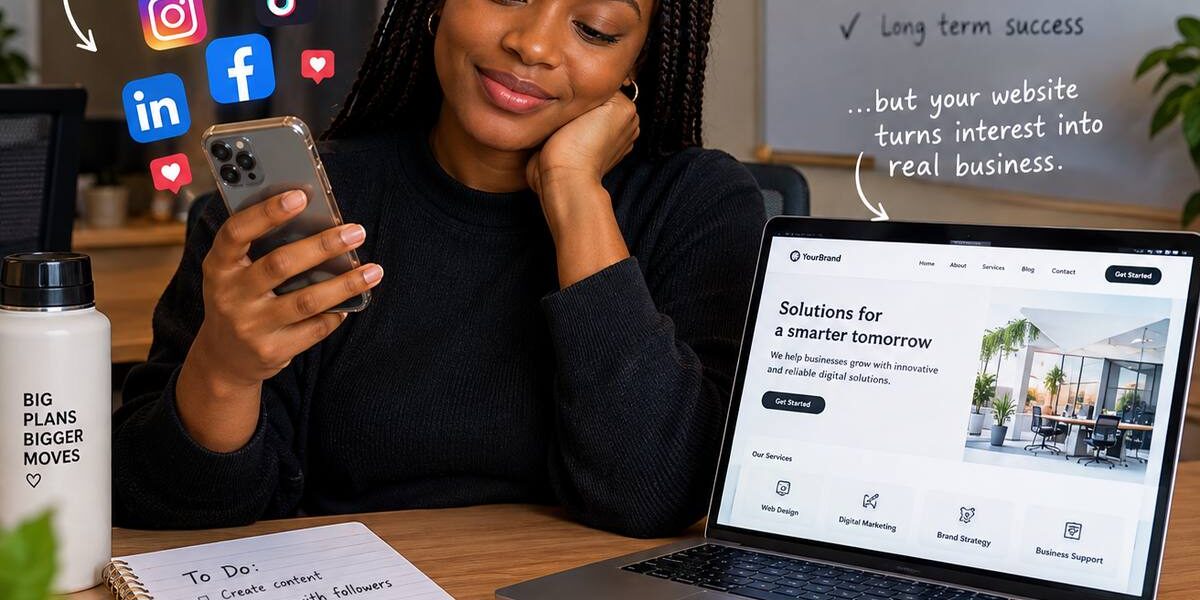
A website also supports your other marketing activities. You can link to it from social media posts, email campaigns, online advertisements, and business directories.
Rather than relying entirely on social media platforms to reach customers, you have a dedicated online space where people can learn about your business and explore your offerings.
With useful content, good design, and consistent marketing, your website can become an important part of your long-term growth strategy.
Conclusion
Your website can influence how potential customers discover, evaluate, and interact with your business. A confusing or outdated website may create unnecessary barriers, while a well-designed one can improve credibility, make your services easier to understand, and encourage more enquiries.
Working with a website design company for business growth can help you build a website that aligns with your business goals, provides a better customer experience, and establishes a strong foundation for SEO and digital marketing.
However, sustainable results require more than launching a beautiful website. You also need relevant content, effective marketing, regular maintenance, and a clear understanding of your customers.
If your business is ready to improve its online presence, start by evaluating your current website and identifying what needs to change. The right improvements can help turn your website from a simple online presence into a practical tool for attracting customers and supporting sales growth.